Current River Estate Explore Public-Private Hunting
private base + public expansion hunting model

Private Deer Hunting Land Bordering Mark Twain National Forest

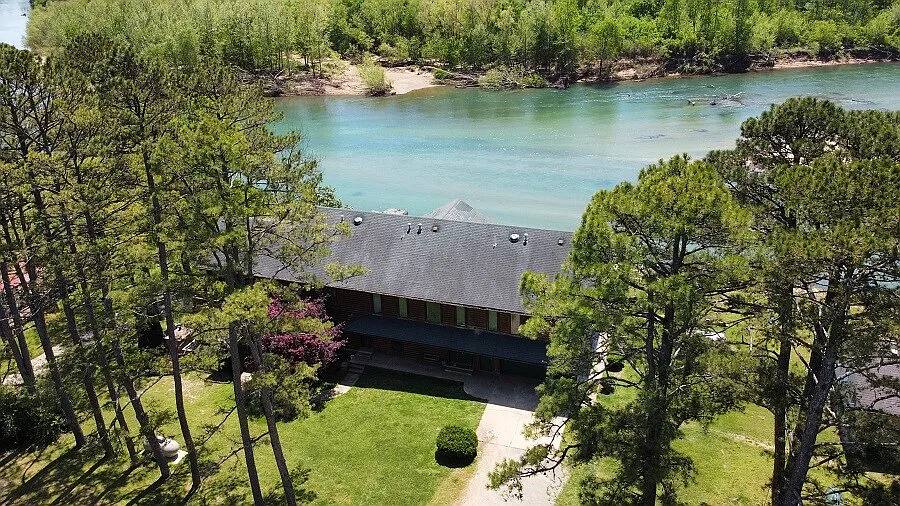
20 acres of exclusive whitetail habitat anchoring access to 14,000+ federal forest acres. Hunt strategically: private land refuge, public forest expansion, four homes for hunt camps.

Mark Twain forest boundary: private hunting land overlooking federal national forest zone

The Hub-and-Spoke Advantage: Concentrated Private + Expanded Public

Most hunters chase scattered public land, hiking miles between parking lots and hunting zones. You start from your own property. Your 20-acre hub becomes base camp. Mark Twain Forest—14,000+ federal acres—becomes your satellite hunting zone. This dual-access model is why land bordering national forests commands premium valuations and superior success rates.

When pressure builds on public land mid-season, deer compress onto your private acreage—creating predictable movement you exploit from established stands. When you want to hunt public forest for larger herds or trophy routes, you're already positioned. No commute; no hotel stays.

Doniphan Missouri gateway: close to hunting property, supplies, accommodations

Strategic Positioning in the Ozark Hunting Corridor

This property is not randomly located. It sits at the confluence of three hunting geographies: private whitetail habitat, federal forest access, and state wildlife management areas. That convergence is why regional guides route clients here, why hunt clubs target the area, and why investor operators see consistent ROI.

Doniphan is your supply base—gas, food, emergency services—15 minutes away. Highway 160 connects to larger towns. This balance (isolated hunting, convenient logistics) is rare in the Ozarks.

Why Private Land Bordering Federal Forest Commands Premium Value

Land value is driven by utility. A 20-acre isolated property might fetch $80K–$120K. The same 20 acres bordering federal forest? $180K–$280K. Here's why:

Mark Twain National Forest Hunting Context

Mark Twain spans 1.5 million acres across Missouri's Ozarks. The core zones near this property (Cassville and Ava divisions) support excellent whitetail populations, wild turkey, and upland game. Seasons are generous; access is managed but not restricted. A few key facts:

Operational Hunting Strategy: Private + Public Rhythms

Early Season (Sept–Early Nov): Hunt private property exclusively. Limited public pressure; your stands are consistently productive. Trail cameras map rut timing.

Peak Rut (Nov 1–15): Depends on pressure. If private activity is high, expand to forest edges—accessing fresh deer that haven't encountered pressure. If private is proving exceptional, stay home.

Late Season (Late Nov–Dec): Post-rut consolidation. Public forest often has fewer hunters; deer move predictably. Day-hunt the forest; hunt private during prime evening hours.

Advanced Planning: Scout forest access routes during off-season. Identify 3–5 forest stand sites that complement your private locations. This pre-planning speeds decision-making during hunting season.

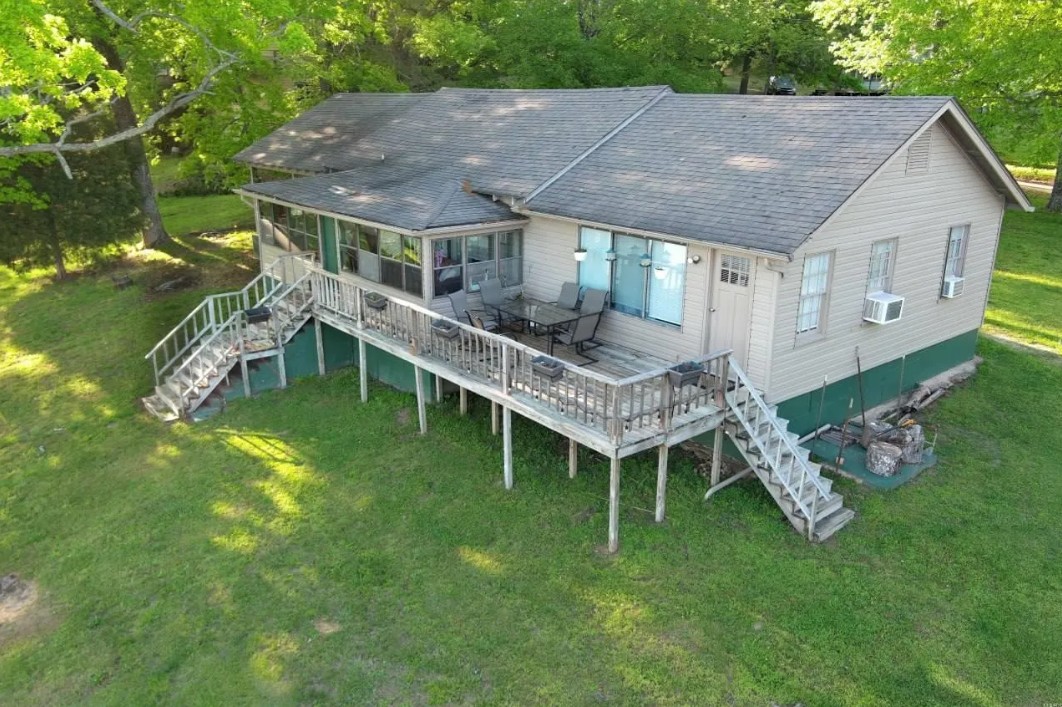
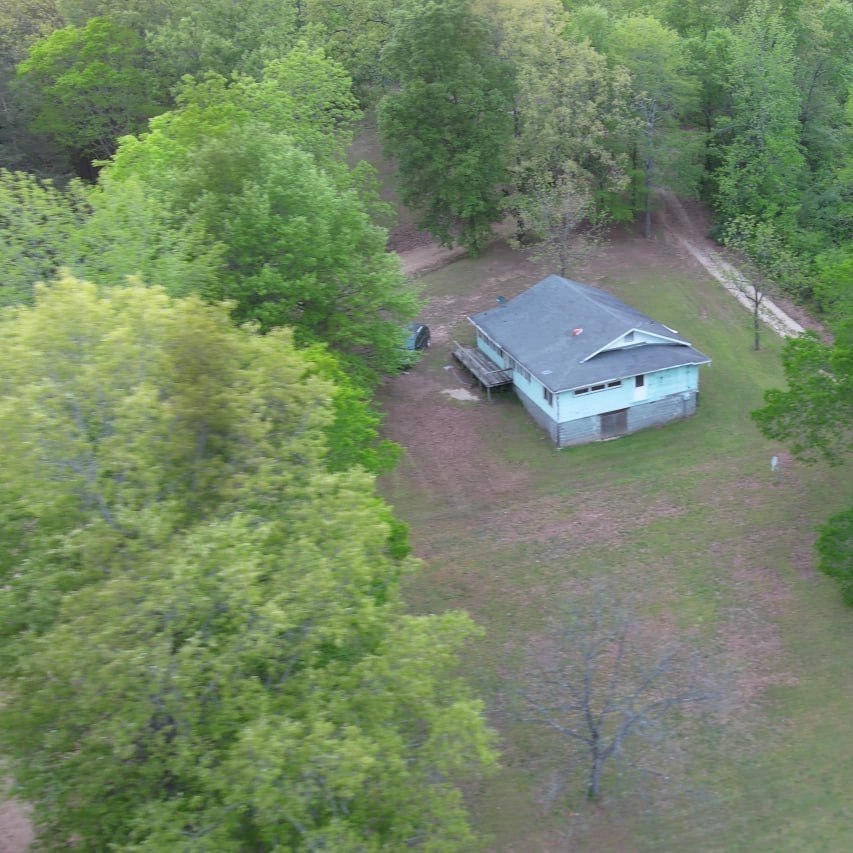
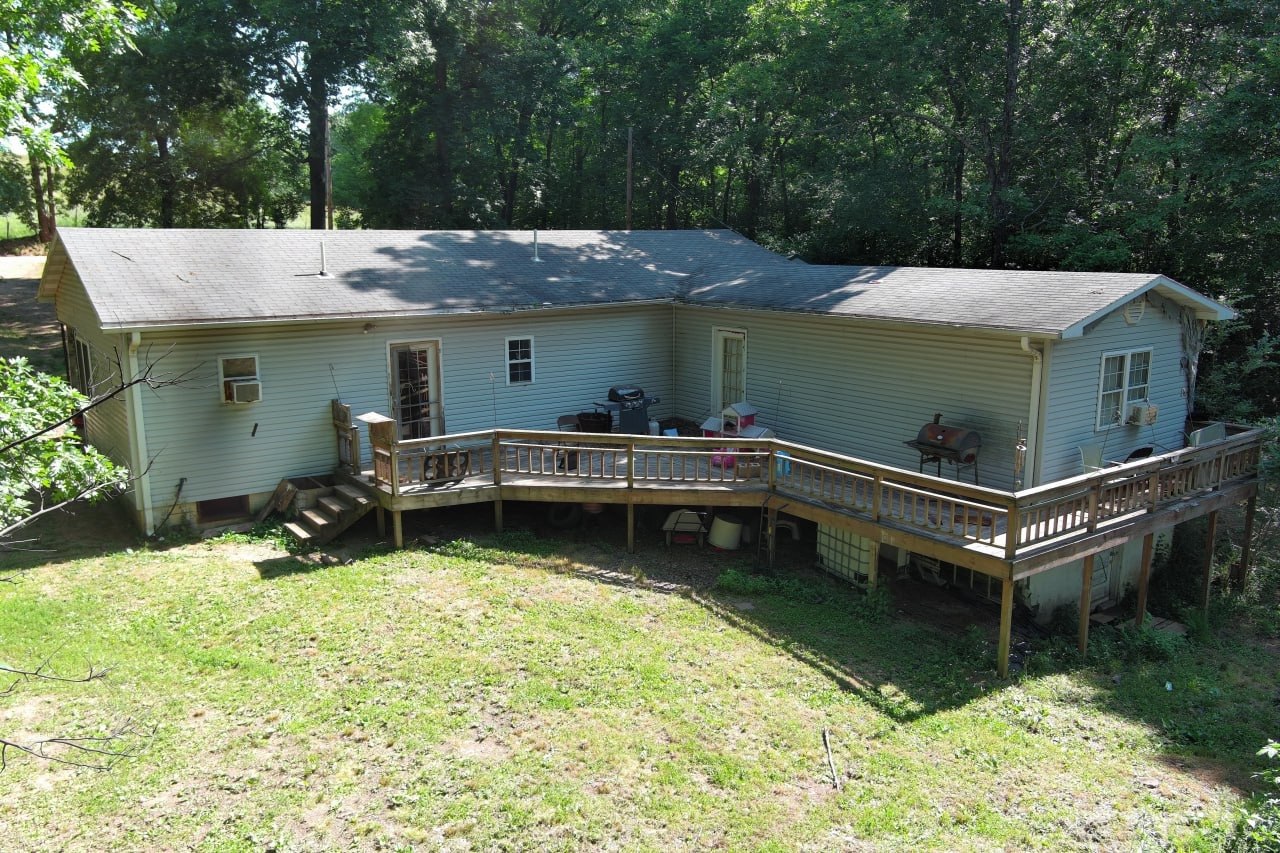
Four Homes: Base Camp for Multi-Hunter Operations

Your infrastructure supports 8–16 person hunting groups. Main residence is hunt coordinator HQ. Guest cabins host hunters in comfort—they sleep warm, eat well, hunt hard. This setup enables:

Guide and Outfitter Positioning

If you operate guided hunts, this property's Mark Twain proximity commands premium guide fees:

Booking flexibility is your advantage. Clients aren't locked into one hunting zone; guides adapt to conditions in real time. That operational flexibility justifies premium pricing and attracts high-caliber hunters willing to pay for strategy.

Buyer Profile: Who Thrives on Private + Public Properties

The Strategic Hunter: You understand game theory. You don't just hunt where trails lead; you hunt where geography concentrates deer. Border properties fascinate you because they offer leverage—two ecosystems, one property.

The Semi-Pro Guide: You guide seasonally, want your own base, and recognize that private-land clients pay 2–3x more than public-land clients. A property like this becomes your brand anchor and revenue generator.

The Hunt Club Manager: You run a small group (6–12 hunters). You need private security but don't want to be landlocked. This property's dual-access model appeals to your members and justifies premium membership fees.

The Entrepreneur Outfitter: You're building a full-service hunting operation. Private base + public expansion is your operating model. You need infrastructure, access, and financial runway. This property accelerates your timeline.

Investment Reality: Three Revenue Models

Private Hunting Only: Hunt personally, enjoy the property, pass to heirs. Land appreciation (4–6% annually) covers your investment thesis. No monetization stress.

Lease + Hunt: Hunt Sept–Nov (your seasons). Lease to guide operations or hunt clubs Jan–Aug. Generate $50K–$100K annually; retain your prime hunting months.

Full Outfitting: Run 25–35 guided hunts annually (mixed private/forest). Charge $400–$800/day. Net $150K–$300K annually after guide pay and operating costs. Your private acreage becomes a commercial asset with 5–7 year payoff timeline.

Logistics and Access Management

County Road U-5 frontage ensures reliable all-weather access. Forest entry points are 1–3 miles by vehicle. Guides manage foot access from parking areas; clients never cross private land (permission issues) to reach public forest. This legal clarity is essential for commercial operations.

Parking capacity on your property supports 4–6 vehicles. Forest trailheads are public; no bottleneck issues. Clients arrive, gear up, hunt efficiently.

Frequently Asked Questions About Forest-Adjacent Hunting Properties

Can I legally hunt the forest from my property?

Yes. Once you cross the forest boundary, you're on federal land subject to Forest Service hunting regulations—not private-land rules. Standard state license, season compliance, and zone rules apply. No special permission needed; it's public access.

What if the Forest Service restricts access or closes zones?

Rare, but possible (fire danger, emergency closures). Your private land remains open. Hunting quality on private property alone is still exceptional; forest access is bonus utility, not dependency.

Do I need special permits to guide hunts using both private and forest land?

You need a Missouri outfitter license ($300+/year) and liability insurance. Your private property is your business base; guiding clients on public forest is regulated but not restricted. Consult local conservation officer for specific rules if pursuing commercial operation.

How much does forest hunting quality vary compared to private?

Private is typically more consistent (fewer hunters, established stands). Forest can be more variable (pressure-dependent, broader terrain). Skilled guides use forest diversity as strength—adapting daily to conditions. Novices benefit from private consistency; experienced hunters leverage forest flexibility.

What's the annual hunting calendar for forest + private combo?

Sept–Dec is primary (archery/firearms). Late-season (Jan–Feb) is viable if you want more hunting. Turkey season is spring (April–May). Off-season (June–Aug) is habitat work, scouting, trail camera review. The calendar is generous—nearly 6 months of active hunting opportunity.

Can family members hunt the property or forest if I'm not present?

Your family can hunt private property with proper licenses. Forest hunting is public; your family members need licenses and must follow season/zone rules. No special privileges—but no restrictions either.

The Edge in Modern Hunting

Single-property hunters are constrained. Multi-zone hunters are adaptive. This property offers the rare combination of private security and public expansion—the modern competitive advantage in trophy hunting and guide operations. Scarcity is real: fewer than 30 comparable properties exist statewide. Demand from strategists, guides, and investors exceeds supply.

If you're building a hunting legacy or launching a professional operation, positioning matters. Border properties win. This is your positioning opportunity.

Authority Signals: Mark Twain and Current River Corridor Benefits

This private-plus-public model benefits from federal and conservation recognition around Doniphan and the Current River basin. Buyers searching deer hunting property near Mark Twain National Forest, Current River sporting estate, and Ozark hunting investment property can validate value through primary sources.

Ready to Hunt Smart: Private Base + Public Expansion?

Schedule a consultation to discuss your hunting strategy and how this property's dual-access model aligns with your goals—whether personal legacy, guide operation, or investment portfolio.

Request Your Strategic Hunt Consultation