The Seclusion Advantage in Trophy Hunting
Whitetail are sensitive to human presence. Properties shared with other huntersâ€â€even across property linesâ€â€experience pressure. This property is different: complete isolation. No neighbor hunting, no public access, no competing sounds or scents disrupting your hunt strategy. Your stands are undisturbed; your hunting patterns are unread by neighboring hunters; your game remain calm and patternable.
Seclusion also enables a different business model. Luxury retreat operators charge premium rates specifically because they offer exclusivity. Clients don't want to share; they don't want logistics conflicts. Your fully private setup justifies $5,000–$8,000+ per week premium pricing.
Habitat Maturity and Deer Concentration
Twenty acres of undisturbed habitat create consistent deer behavior. Trail camera data from similar sites shows 12–16 mature bucks per 100 acres in this Ozark zone. Your property's river access, cover diversity, and elevation change support higher densities. Conservative estimate: 3–5 mature bucks live full-time on your acreage; seasonal migration brings 8–12 more during rut season.
River Access as Private Amenity and Strategic Asset
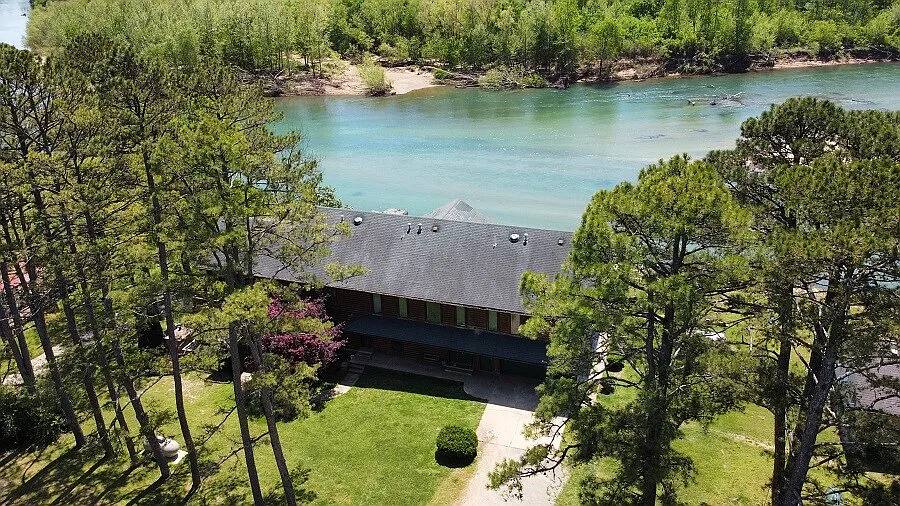
Current River is cold, clean, spring-fed. Your 700+ feet of frontage provides water security for whitetail and a premium experience amenity for retreat guests. Evening walks on riverbank, kayaking, or just sitting with coffee and watching the water. This lifestyle component differentiates your retreat from typical hunting camps.
The Current River is a nationally-recognized ecosystem: spring-fed, flowing 90 miles through dense oak-hickory forests and scenic bluffs before reaching the Black River in Arkansas. Managed by the USDA Forest Service, connected with the Ozark National Scenic Riverways (NPS), and protected by The Nature Conservancy, the river hosts over 1.5 million visitors annually for fly-fishing, paddling, bird watching, hiking, and nature exploration. Your private frontage captures this ecosystem value exclusively.
Four Homes: Infrastructure for Exclusive Group Hunts or Multi-Family Retreats
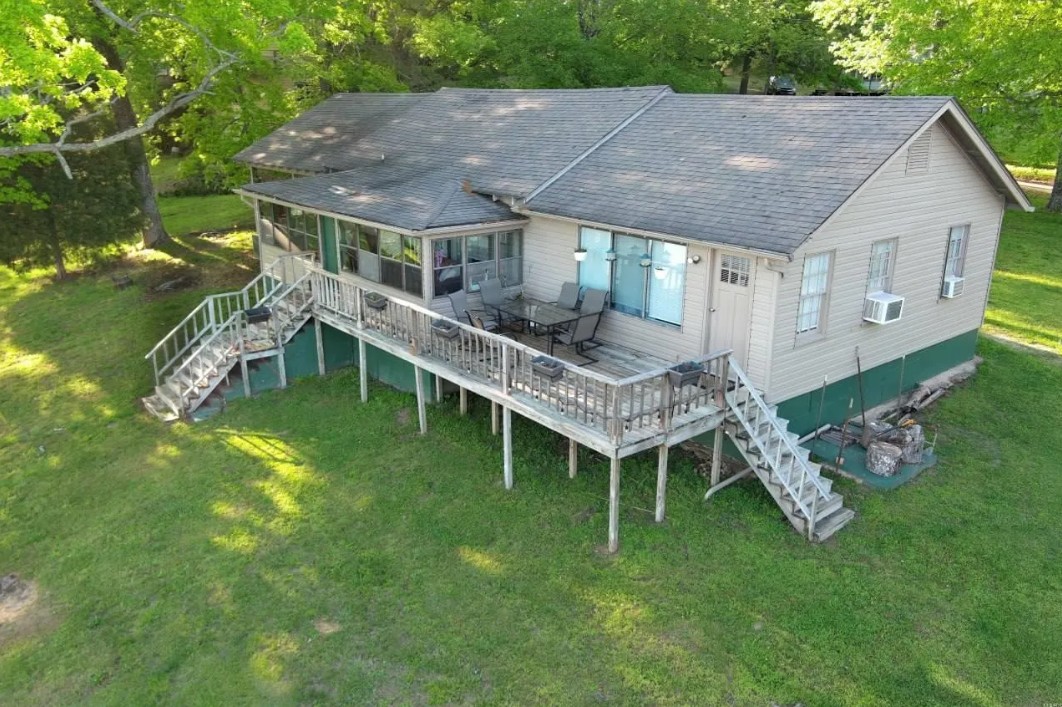
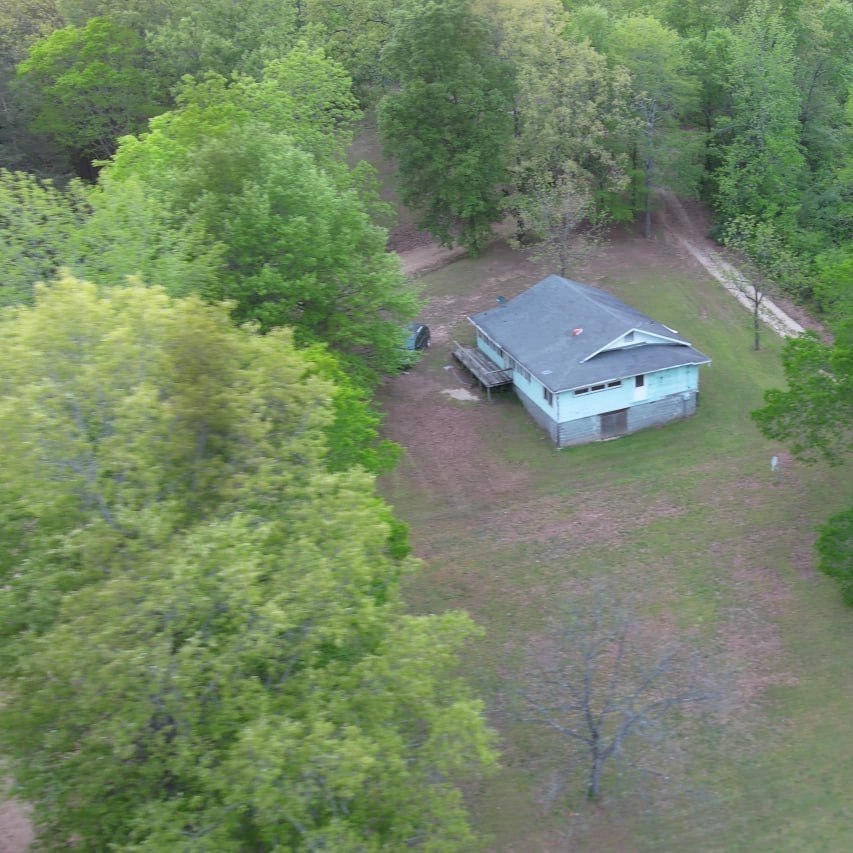
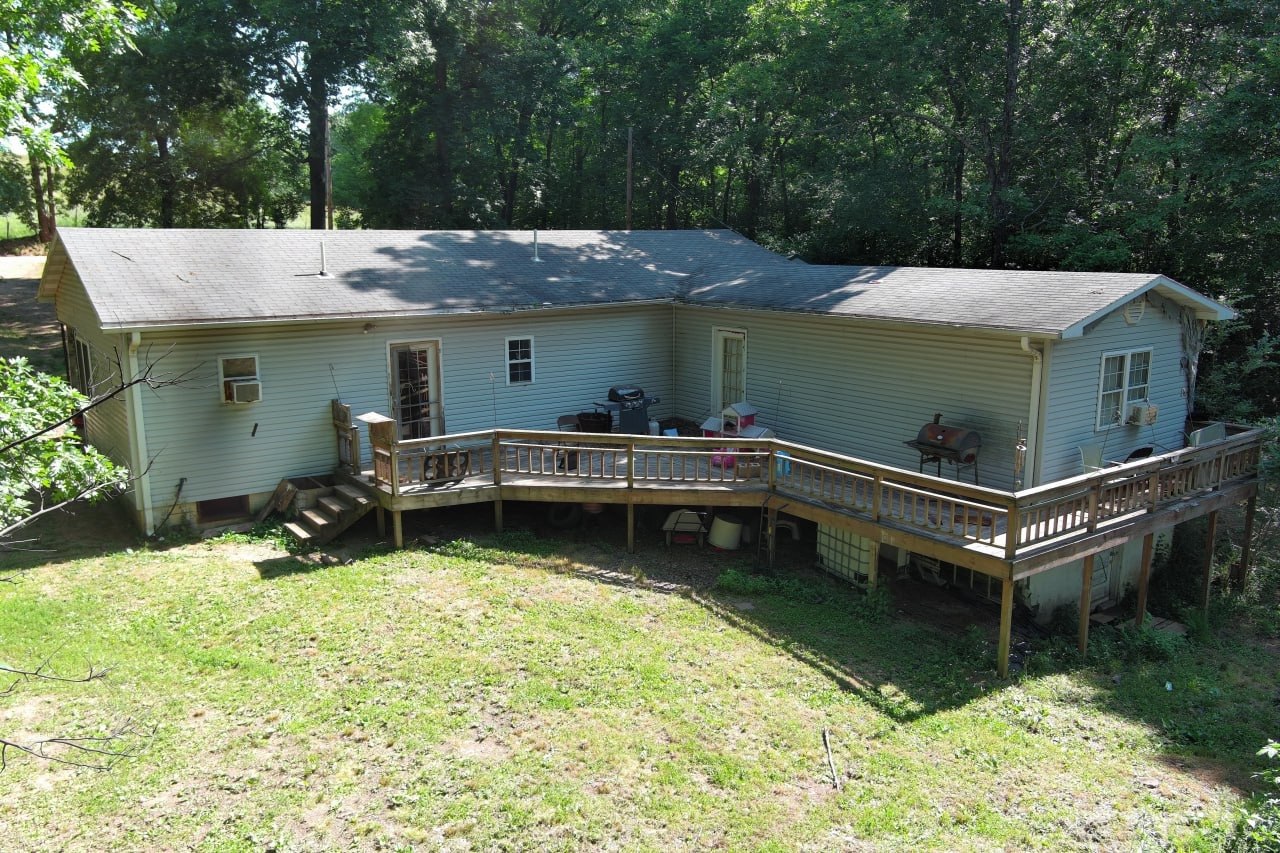
Your main residence (6,400 sq ft) serves as your personal hunt lodge or retreat HQ. Three guest cabins (1,400–2,000 sq ft each) accommodate 3–5 people per cabin. This layout enables:
- Family Multi-Generation Hunts: Parents, kids, grandkids in separate homes but shared experience.
- Exclusive 12–16 Person Group Hunts: Corporate retreats, friend groups, family reunions with hunting as centerpiece.
- Premium Guided Hunts: 4 guests + 1 guide per cabin; staggered schedules maximize productivity.
- Seasonal Staff Housing: If you operate commercially, guides and staff have comfortable on-property lodging.
The Luxury Retreat Revenue Model
Secluded properties with full infrastructure command premium retreat pricing:
- Weekend Hunts: 2 nights, 4 hunters, all-inclusive. Price: $3,500–$5,500 per person. Your margin after guide pay: $8,000–$12,000 per weekend.
- Week-Long Retreats: 7 nights, 8–12 guests, all meals, guide service. Price: $4,000–$6,500 per person. Your margin: $20,000–$35,000 per week.
- Corporate Events: Companies book retreat weeks as executive bonding. Price: $50,000–$80,000 for the entire group (hunting optional). Your margin: $35,000–$60,000 per week.
- Seasonal Leasing: Book 8–12 weeks annually; generate $160,000–$300,000 in gross retreat revenue. Operating costs (staff, food, utilities) run 30–40%, leaving $100,000–$200,000 net income.
Experience Design: What Separates Premium Retreats from Basic Hunting Camps
Sunday Arrival: Guests arrive mid-afternoon. Tour the property, review hunting zones, learn herd patterns from trail cameras. Evening: welcome dinner with hunt briefing and strategy discussion. First hunt preparation begins immediately.
Monday–Thursday Hunt Days: Staggered wake times (5–6 AM). Breakfast on demand. Hunters head to stands by 6:30 AM. Midday: return for hot lunch, equipment maintenance, trail camera review. Afternoon: hunt prep or rest. Evening hunt (3 PM–sunset). Dinner at 7 PM. Evening: social time, debrief, strategy adjustment.
Friday: Hunt or leisure, based on client preference. Spa treatments, massage, river walks, fly-tying lessons, or fishing. Evening: celebration dinner with hunting results recap and gift presentations.
Saturday Departure: Breakfast, pack out, depart satisfied and exhausted.
This rhythm is what commands premium pricing. Clients aren't roughing it; they're experiencing luxury that enables serious hunting without sacrifice.
Buyer Profile: Operators and Owners Who Thrive on Seclusion
The Retreat Entrepreneur: You have business acumen and understand hospitality. You want a property that enables you to run premium hunts without operational headaches. Seclusion simplifies logisticsâ€â€fewer stakeholders, zero neighbor interference.
The Family Legacy Steward: Your family hunts together. You want a retreat where your kids hunt seriously and your spouses enjoy luxury downtime. Seclusion means your retreat is family-only; no neighbors, no public intrusion.
The Executive Escape Builder: You're exploring a portfolio business: primary job + side retreat operation. This property enables you to book 12–16 weeks annually (April–Nov), generating passive income while you hunt personally during peak seasons.
The Outfitter Scaling Up: You've been guiding hunts on leased land. Ownership eliminates lease anxiety. Seclusion eliminates neighbor conflict. Your operation becomes independent and profitable faster.
Financial Scenario: Personal Hunting + Hybrid Commercial Model
Conservative Year 1 (Learning, 4 weeks booked):
- Gross retreat revenue: $45,000 (4 weeks × $11,250/week)
- Operating costs (guide, staff, food, utilities): $18,000
- Net retreat income: $27,000
- Combined with personal hunting enjoyment: You've essentially made the property free.
Mature Year 3 (Established brand, 12 weeks booked):
- Gross retreat revenue: $180,000 (12 weeks × $15,000/week average)
- Operating costs: $65,000
- Net retreat income: $115,000
- You hunt personally Sept–Nov (your choice weeks) and book March–August, April–July (shoulder seasons, spring turkey, off-season relaxation retreats).
- Your investment pays for itself; land appreciation is bonus.
Logistics of Running Exclusive Retreats from Secluded Property
Pre-Retreat (2 weeks): Confirm guest count, dietary restrictions, hunting experience level. Customize stand placement based on group size and skill. Coordinate with guide network if outsourcing guide services.
Guest Arrival: Greet at property entrance. Provide property map, emergency contacts, hunting zone briefing. Tour each cabin. Establish meal and hunting schedules.
During Retreat: Minimal management if you hire a retreat coordinator. Coordinator handles meals, guest comfort, equipment logistics. You focus on hunt strategy and client experience.
Post-Retreat: Collect feedback, process payments, manage recommendations and testimonials. Seclusion means no complaints from neighbors about noise or hunting activityâ€â€operational freedom.
FAQ: Seclusion and Commercial Operations
Will running a retreat business on a secluded property require permits or zoning changes?
Consult local zoning (Ripley County). Residential use is standard. Short-term retreats typically fall under home business or agritourism licensingâ€â€minimal regulatory burden. Check with county assessor and planning office; most properties like this are grandfathered for mixed use.
How do I manage staff logistics on a remote property?
Hire staff (guides, cooks, cleaners) on seasonal basis. Most live locally and commute. Build a small staff apartment or reserve one cabin for staff during peak seasons. Seclusion means staff live on-site during retreatsâ€â€ensuring quality and availability.
What if clients want to extend their stay or cancel last minute?
Establish clear booking terms upfront. Most retreat operators require 50% deposit 60 days prior; balance due 14 days prior. Cancellations within 14 days forfeit balance. Extensions are accommodated if dates are available. Seclusion simplifies thisâ€â€you're not juggling public-land guides or shared facilities.
Can I still hunt personally if I'm running retreats?
Absolutely. Hunt Sept–Nov (personal hunting); book retreats March–Aug (off-season relaxation, spring turkey, youth programs). Your personal hunting is non-negotiable; retreats fill capacity around your schedule. This hybrid approach is common among operator-owners.
What insurance do I need for a retreat operation?
General liability ($1M–$2M), property damage, hunting liability. Cost: $2,000–$5,000 annually. Shop independent agents for agritourism rates; they're typically lower than commercial hospitality. Seclusion actually reduces premiumsâ€â€fewer risk factors than shared facilities.
How far in advance should I book my retreat calendar?
Start 9–12 months out. Corporate groups book 6+ months early. Individual hunters book 3–6 months prior. By August, you should have your Oct–Dec schedule locked. Marketing starts 18 months pre-season to build reputation and referral networks.
Seclusion as Competitive Moat
In an age of crowded public lands and fragmented private hunting, seclusion is increasingly valuable. Your property's complete privacy, multi-home infrastructure, and premium habitat create a defensible business position. Competitors chase public land or negotiate shared leases. You own exclusive geography. That differentiation sustains premium pricing and attracts serious buyers and retreat clients.
Ready to Build Your Secluded Hunting Retreat?
Whether you're hunting personally or planning a premium retreat operation, this property's seclusion and infrastructure enable your vision. Schedule a consultation to explore your specific retreat goals.
Request Your Exclusive Retreat Consultation