Spring Turkey: The Ozark Premium Hunt That Serious Hunters Crave
Spring gobbler hunting is different from deer hunting. It's intimateâ€â€calls, decoys, one-on-one encounters. It's seasonal (25-day window in Missouri). It's challenging. And it commands premium pricing because serious turkey hunters will travel and pay for proven habitat.
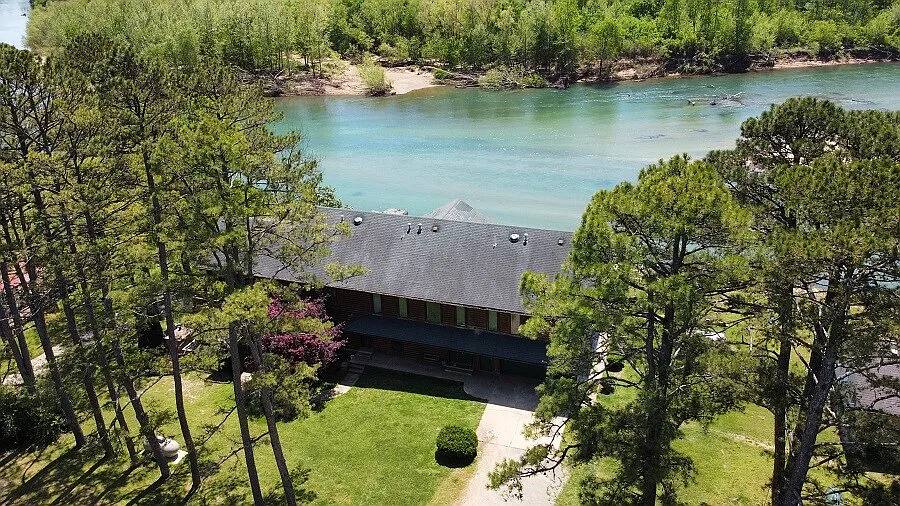
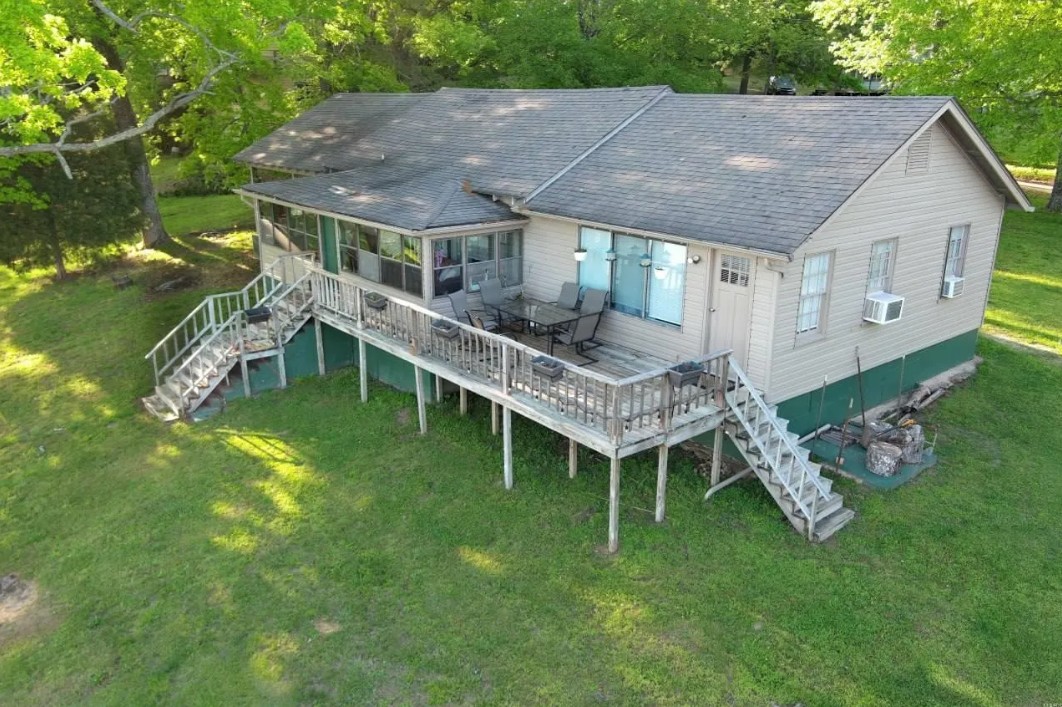
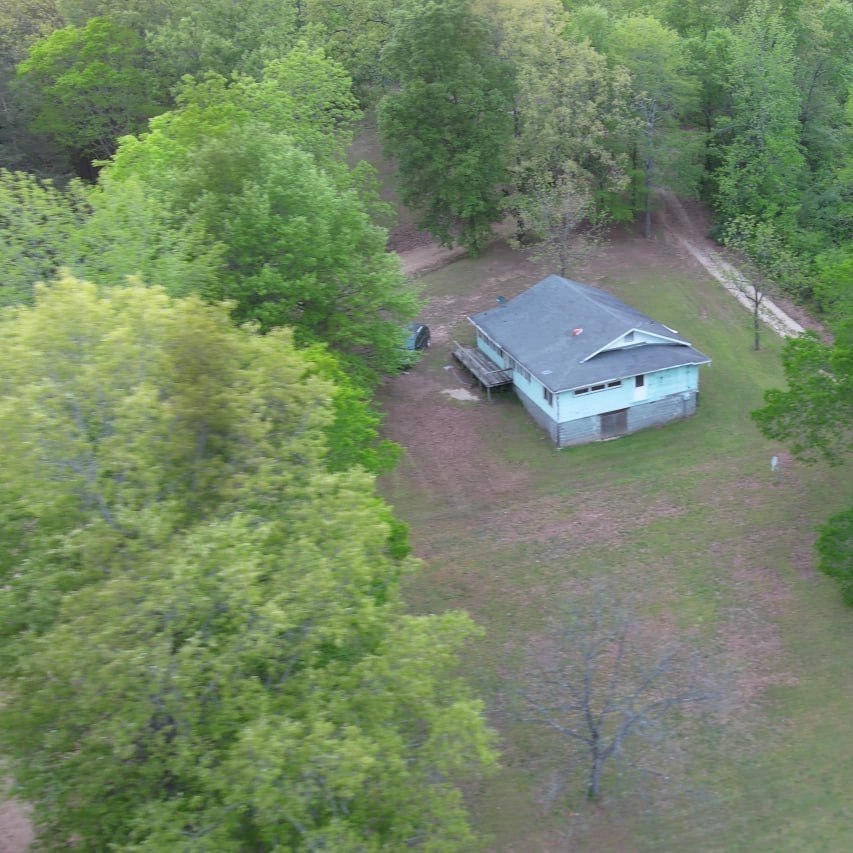
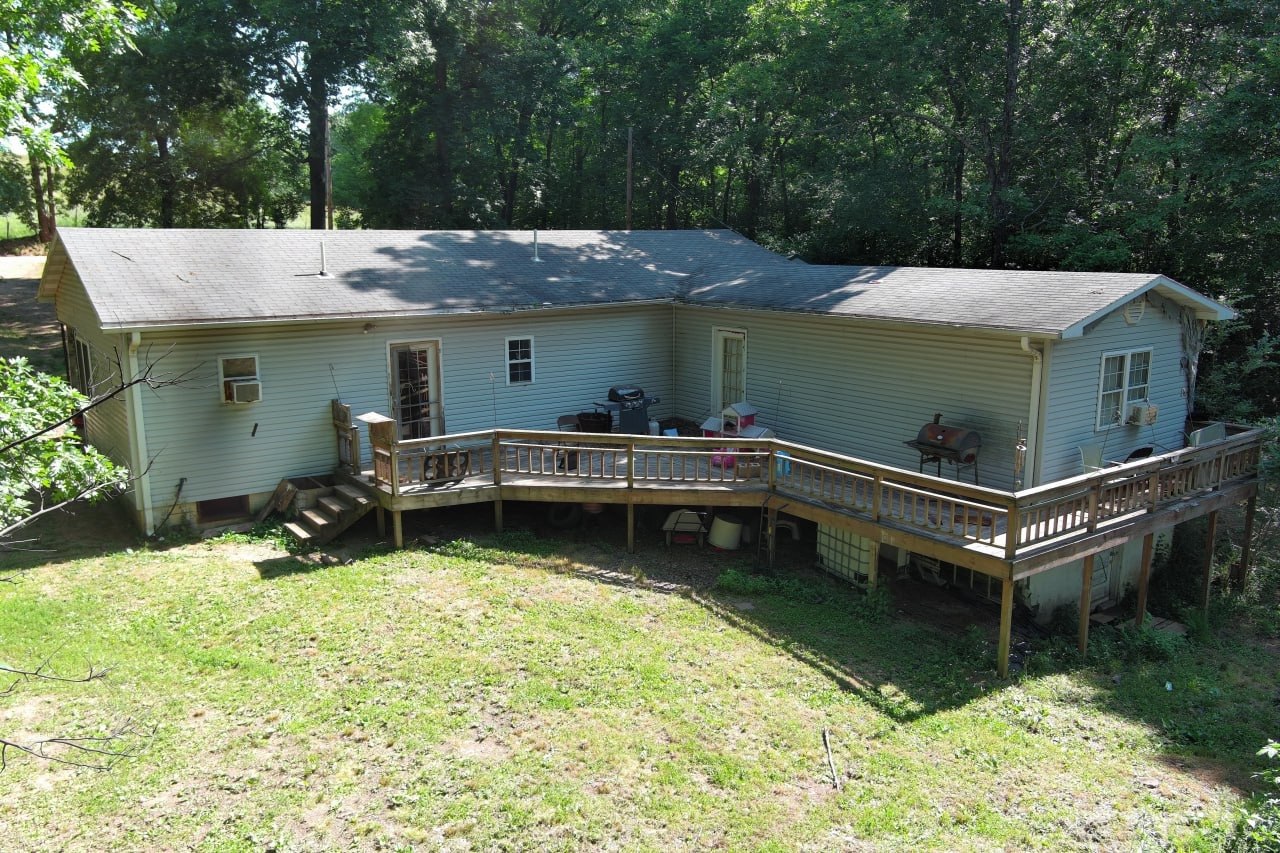
This property sits in the heart of Missouri's turkey country. River bottoms provide roosting security. Ridges and clearings support strut zones. Spring water sources concentrate birds. Your infrastructure (four homes, retreat capability) enables you to host exclusive turkey groups at $5,000–$8,000 per week during the spring seasonâ€â€a concentrated 6-week revenue window.
The Current River valley is one of the Midwest's most significant ecosystemsâ€â€a 90-mile spring-fed river system recognized by the Nature Conservancy and connected with the Ozark National Scenic Riverways (National Park Service) for regional conservation and recreation visibility. This protection and fame creates consistent demand for hunting and nature experiences in the region.
Roosting Zones and Gobbler Concentration
Current River's tall pines and sycamores create ideal roosts. Gobblers typically roost within 200-400 yards of water. Your 700+ feet of frontage guarantees multiple roosting zones. Early-morning scouting from the property identifies active birds; you know where to set up before dawn. This geographic advantage is worth thousands annually in hunt success.
Irish Wilderness Proximity: Public Backup and Brand Appeal
Irish Wilderness (8,000+ acres) is 3-5 miles away. You hunt private property primarily, but if weather shifts turkey movement, you have federal forest access. For retreat marketing, "adjacent to Irish Wilderness" conveys exclusivity and adventureâ€â€guests know they're in authentic turkey country.
Spring Turkey Season Strategy: Your Property as Operational Hub
Pre-Season Scouting (Late March): Hunt property weekends to locate roosting patterns. Identify 4-6 productive gobbler zones. Set up blind locations and natural cover.
Opening Week (April 16-22, typical Missouri opener): Book your first retreat group. Fresh season energy, gobblers responsive to calls. Retreat pricing peaks first two weeks.
Peak Season (April 23 - May 10): Prime gobbler activity. Back-to-back weekly retreats. Consistent success creates referrals and repeat bookings.
Late Season (May 11-31): Gobblers are less responsive (spent energy from early-season activity). Pricing adjusts down. Groups seeking mid-range retreat experience book these weeks.
Turkey Hunting Retreat Experience: What Guides Deliver
3:30 AM Wake-Up: Coffee, breakfast, gear prep. Quiet drive to roosting zone.
4:30-5:30 AM Roosting Phase: Listen for gobblers flying down. Mark locations. Set up calling positions based on gobbler locations.
5:30-8:00 AM Active Hunting: Call, listen, respond to gobbler vocalizations. Set up decoys if birds cooperate. Execute stalk or decoy approach. First gobbler down by 7-8 AM on productive mornings.
8:30 AM Midday Break: Return for breakfast. Rest. Equipment maintenance. Trail camera review. Afternoon turkey hunting strategy session.
Afternoon Optional Hunt (2-4 PM): Roost one or two evening roosting patterns for next morning. Secondary hunt opportunity.
Evening (5-7 PM): Hot dinner. Guest stories, photo documentation, hunt debrief. Evening relaxation or turkey camp camaraderie.
This rhythm over 3-5 days generates 1-2 successful gobblers per hunter on average.
Revenue Reality: Spring Turkey as Seasonal Cash Engine
Single Turkey Hunt Pricing:
- 3-Day Hunt: $1,500–$2,200 per hunter
- 5-Day Hunt: $2,200–$3,500 per hunter
- 7-Day Hunt: $2,500–$4,000 per hunter
Retreat Group Pricing (4 hunters):
- 3-Day: $8,000–$12,000 gross
- 5-Day: $12,000–$18,000 gross
- 7-Day: $14,000–$20,000 gross
Seasonal Math (6 weeks, 3 groups of 4 hunters each):
- Total gross revenue: $54,000–$72,000
- Operating costs (guide, staff, food, utilities): 30-40% = $16,000–$29,000
- Net spring turkey income: $25,000–$43,000 per season
This is concentrated, seasonal income that funds year-round property operations.
Buyer Profile: Turkey Enthusiasts and Multi-Season Operators
The Spring Turkey Obsessive: You've hunted turkeys for 20+ years. You understand roosting behavior, calling nuance, and gobbler psychology. You want your own property where you control conditions and can hunt every morning during season without hotel commutes.
The Multi-Season Operator: You run fall whitetail hunts (Sept–Nov). Spring turkey (April–May) fills your revenue calendar. Summer/winter has lower activity. This property's dual-season appeal justifies higher land value and consistent retreat income.
The Outfitter Scaling Seasons: You've guided public-land turkey hunts. Owning a private property eliminates lease uncertainty and enables you to build a brand around exclusive access. Your first private-property spring season generates business momentum.
Integration with Fall Whitetail: Year-Round Hunting Property
This property is not single-season. Fall hosts whitetail hunts; spring hosts turkey. Off-season (June–Aug) supports habitat work, guide training, and infrastructure maintenance. This multi-use profile increases land value and retreat marketability. Clients who hunt fall return for spring; you build a year-round client base and consistent revenue.
FAQ: Spring Turkey Hunting Property Specifics
What's the learning curve for turkey hunting on private land?
Less steep than public land. You know your roosting zones (no searching three properties). You control calling timing and volume (no neighbor interference). Year 1 is scouting; Year 2 is productive. Most guides achieve 50%+ strike rates by Year 2 on established private properties.
Do I need hunting dogs for turkey hunting?
Not required. Calls (box calls, diaphragm calls, electronic calls) and decoys are standard tools. Dogs add utility for flushing roosted birds or recovering dead birds. Many hunters hunt without dogs and succeed.
How many gobblers does this property support?
Estimates vary, but healthy populations support 3-6 gobblers per 50 acres. Your 20 acres likely harbor 1-2 resident gobblers year-round, plus seasonal migrants. Conservative spring harvest: 2-4 gobblers per season sustainably (no overhunting).
What if I want to offer both fall hunts and spring hunts?
Hybrid pricing and booking. Fall whitetail: Sept–Nov. Spring turkey: April–May. Summer relaxation retreats: June–Aug. Winter is quiet. This calendar maximizes occupancy and revenue diversity.
Can out-of-state hunters book turkey hunts?
Yes. They need a valid Missouri hunting license (can purchase online). No residency requirement for spring turkey. Guides coordinate licensing prior to arrival. Out-of-state demand is strong (many states have poor turkey populations).
What technology helps manage turkey hunting on large property?
Trail cameras in roosting zones identify active birds. GPS/mapping software marks stand locations and hunting zones. Weather apps inform season timing. Call recording apps help hunters learn gobbler vocalizations. This technology stack costs $2,000–$5,000 annually and significantly improves efficiency.
The Spring Turkey Revenue Window: Maximize It
Spring turkey season is 6 weeks. Unlike fall hunting (4+ months), spring success is concentrated. Properties that execute excel. Your infrastructure, proven habitat, and operational capability enable you to capture high-value retreat groups and professional hunters willing to pay premium rates for exclusive access and guide expertise.
This property's Irish Wilderness proximity, roosting zones, and retreat infrastructure position it perfectly as a spring turkey hunting destination. Scarcity makes it valuable. Demand makes it profitable.
Ready to Capitalize on Spring Turkey Demand?
Schedule a turkey hunting strategy consultation. We'll review roosting patterns, guide options, and retreat booking potential specific to spring season.
Request Turkey Hunting Property Consultation